- info@velloraimpact.com
- 26/Office, Newyork Trade Centre, Opp. Muktidham Derasar, SG Highway, Thaltej, Ahmedabad
The Growing Global Demand for Quality Agricultural Commodities
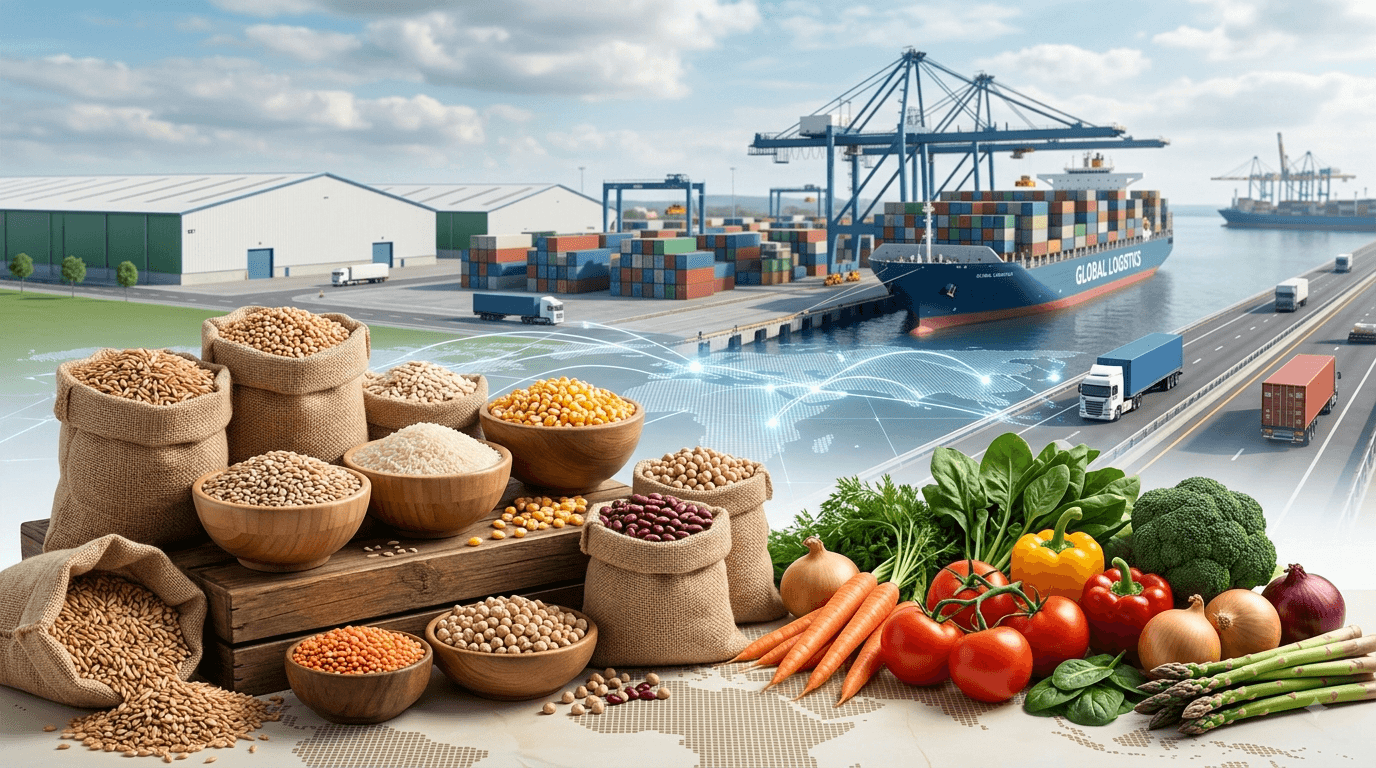
In recent years, the global agricultural landscape has changed significantly. Rising population, changing food habits, urbanization, and international trade have created a stronger demand for quality agricultural commodities than ever before. Products such as grains, pulses, and fresh vegetables are no longer traded only in local markets; they have become essential components of a highly interconnected global food supply chain.
For businesses involved in sourcing, distribution, export, and food processing, quality is now one of the most important factors influencing purchasing decisions. Buyers are increasingly looking for reliable suppliers who can provide consistent products, maintain proper handling standards, and ensure long-term supply stability.
At Vellora Impact, we believe that the future of agriculture is not only about production—it is about building trust through quality, reliability, and responsible sourcing.
Why Global Demand Is Increasing
growing in the coming decades. More people mean greater demand for food, feed, and agricultural raw materials. At the same time, consumers are becoming more aware of food quality, freshness, and safety.
Several factors are driving this growth:
- Expansion of urban populations
- Growth in food processing industries
- Rising demand for plant-based proteins
- Increased international trade
- Greater focus on nutrition and food safety
The Importance of Quality in Agricultural Commodities
In global markets, quality is not a secondary consideration—it is often the deciding factor.
- Uniform size and appearance
- Low moisture content
- Minimal impurities
- Proper storage conditions
- Color consistency
- Cleanliness
- Grain integrity
- Shelf stability
- Freshness
- Texture
- Color
- Damage-free handling
Grains: A Foundation of Global Food Security
Grains remain one of the most widely traded agricultural commodities in the world. Wheat, rice, maize, millet, and other cereals support both human consumption and industrial applications.
The demand for quality grains is growing because food manufacturers require raw materials that perform consistently during processing. Even small variations in moisture, purity, or grain size can affect production efficiency and final product quality.
Reliable sourcing and proper post-harvest handling are therefore essential for maintaining the value of grain products throughout the supply chain.
Pulses and the Rise of Plant-Based Nutrition
Pulses have gained significant attention due to their nutritional value and sustainability benefits. Products such as lentils, chickpeas, beans, and other pulses are increasingly used in:
Traditional foods
Protein-rich diets
Plant-based food products
Ready-to-eat meals
Health-focused food formulations
As global consumers look for affordable and nutritious protein sources, the demand for clean, well-processed pulses continues to rise.
Businesses that can ensure consistent quality and dependable supply are better positioned to serve food manufacturers, distributors, and international buyers.
Fresh Vegetables and Consumer Expectations
Fresh vegetables are among the most sensitive agricultural products because their quality can change rapidly after harvest.
Modern supply chains require careful management of:
Harvest timing
Sorting and grading
Packaging
Temperature control
Transportation
Delivery speed
Consumers today expect vegetables that are fresh, visually appealing, and safe for consumption. For commercial buyers, maintaining freshness is critical for reducing waste and protecting brand reputation.
Why Global Demand Is Increasing
One of the biggest challenges in agriculture is maintaining consistency across different seasons, regions, and suppliers.
Reliable sourcing involves much more than purchasing products. It requires:
Strong Supplier Relationships
Long-term relationships help improve communication, planning, and quality control.
Quality Verification
Inspection and grading processes help ensure that products meet agreed standards.
Supply Continuity
Consistent sourcing reduces the risk of shortages and delivery disruptions.
Transparency
Clear documentation and traceability build confidence among buyers.
- Proper storage conditions
- Timely transportation
- Inventory management
- Packaging protection
- Coordination between stakeholders
- Efficient use of resources
- Reduction of post-harvest losses
- Environmentally conscious handling
- Support for long-term agricultural productivity
- Digital record keeping
- Inventory tracking
- Quality monitoring
- Communication with suppliers
- Data-driven planning
- Consistent product quality
- Reliable communication
- Flexible supply arrangements
- Timely delivery
- Long-term collaboration
Conclusion
The global demand for quality agricultural commodities will continue to grow as populations increase, food systems evolve, and buyers place greater emphasis on reliability and standards.
Grains, pulses, and fresh vegetables are no longer simple commodities—they are strategic products that support food security, nutrition, and international trade. Businesses that invest in quality sourcing, responsible handling, and strong supply chain practices will be better prepared for the future of global agriculture.
At Vellora Impact, we believe that sustainable growth begins with dependable partnerships and a commitment to quality at every stage of the agricultural supply chain.
FAQs
Quality agricultural commodities are products such as grains, pulses, and vegetables that meet defined standards for cleanliness, freshness, moisture, appearance, and consistency.
Quality reduces rejection rates, improves processing performance, supports food safety, and helps build long-term buyer confidence.
Grains, pulses, and fresh vegetables remain among the most consistently demanded agricultural products across global markets.
Reliable sourcing ensures consistent supply, better quality control, reduced operational risk, and improved business continuity.
Technology supports inventory tracking, quality monitoring, communication, and planning, which helps improve efficiency and transparency.

At Vellora Impact LTD, we believe that meaningful progress is driven by innovation, reliability, and a commitment to excellence.
Agriculture and Information Technology
Business Hours
Monday - Friday
09:00 AM - 08:00 PM
Saturday - sunday
Closed on weekend
Call Us Any Time
+91-87588 04293
Call Us Any Time
+91-78599 30502

What's App
73594 68442
Design & Develop by : Dcodes Technologies