- info@velloraimpact.com
- 26/Office, Newyork Trade Centre, Opp. Muktidham Derasar, SG Highway, Thaltej, Ahmedabad
Why Fresh Vegetable Sourcing Matters for Modern Supply Chains
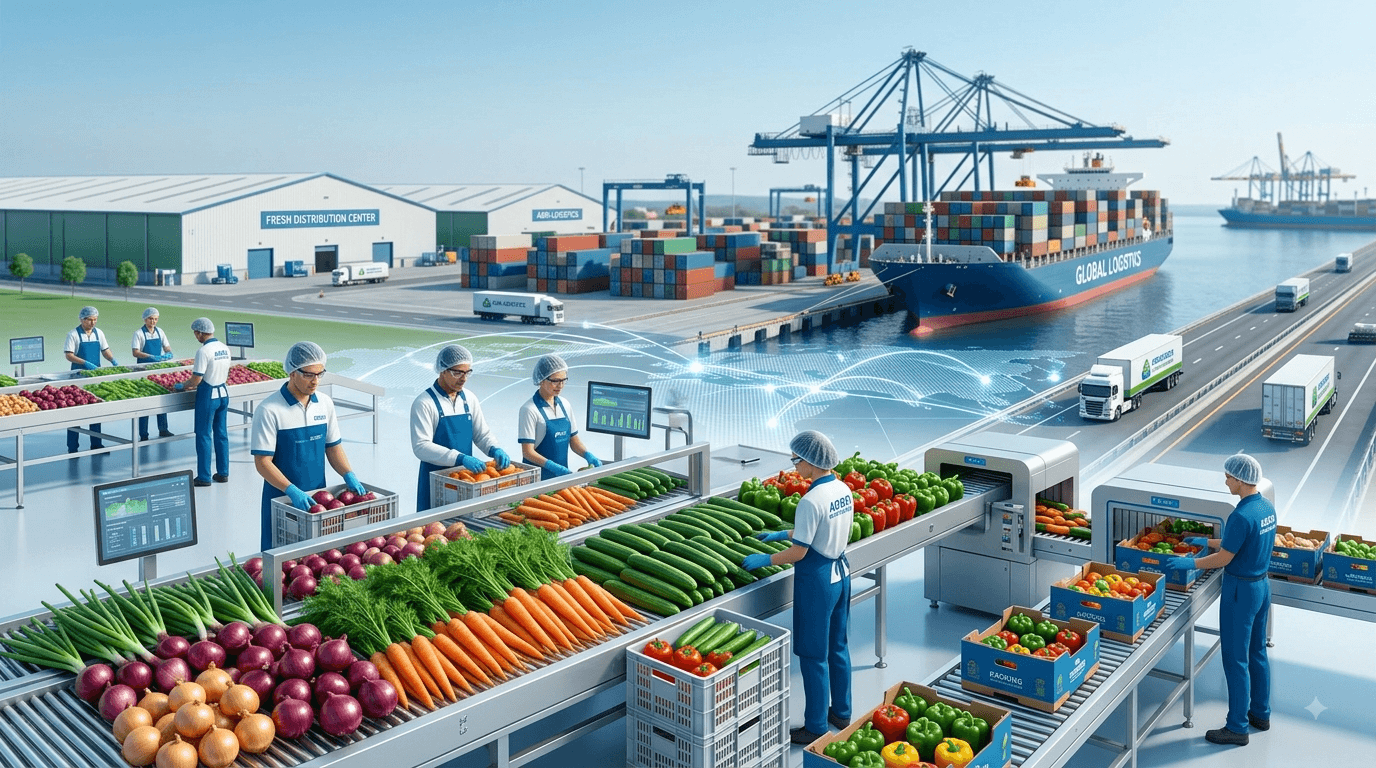
Fresh vegetables play a vital role in the global food industry. From local retailers and wholesalers to food processors and international buyers, businesses depend on a consistent supply of vegetables that meet expectations for freshness, quality, and safety. In today’s fast-moving market, fresh vegetable sourcing is no longer just a procurement activity—it is a critical part of supply chain management.
As consumer demand for fresh and healthy food continues to rise, companies must focus on sourcing practices that preserve quality from the farm to the final destination. Reliable sourcing helps reduce waste, improve customer satisfaction, and strengthen long-term business relationships.
At Vellora Impact, we understand that successful vegetable supply chains are built on quality, reliability, and efficient coordination.
The Growing Importance of Fresh Vegetables
Consumers around the world are increasingly choosing fresh vegetables as part of healthier lifestyles. Urbanization, changing dietary habits, and greater awareness of nutrition have all contributed to higher demand for products such as onions, carrots, cucumbers, capsicum, and other fresh produce.
For businesses, this creates both an opportunity and a challenge. While demand is growing, maintaining freshness throughout the supply chain requires careful planning and execution.
Why Sourcing Quality Matters
- Reduced freshness
- Physical damage
- Higher rejection rates
- Increased wastage
- Customer dissatisfaction
Farm-to-Market Freshness
- Timely harvesting
- Careful sorting and grading
- Proper packaging
- Efficient transportation
- Quick delivery
Reducing delays helps preserve texture, color, and nutritional value. Freshness is not only a quality indicator—it also directly affects shelf life and market value.
The Role of Sorting and Grading
Professional sorting and grading improve consistency across shipments. Buyers often expect vegetables that are uniform in size, appearance, and condition.
For Example :
- Uniform size
- Dry outer skin
- Minimal damage
- Consistent length
- Smooth surface
- Fresh appearance
- Firm texture
- Bright color
- No soft spots
- Glossy surface
- Proper shape
- Fresh stem condition
Transportation and Handling
Even high-quality vegetables can lose value if transportation is not managed properly.
Important handling considerations include:
Clean transport vehicles
Proper stacking
Protection from excessive heat
Moisture control
Timely unloading
Careful handling minimizes bruising, dehydration, and spoilage, which are common causes of post-harvest losses.
Reducing Post-Harvest Losses
Post-harvest losses remain a significant challenge in the agricultural sector. A substantial portion of fresh produce can be lost due to poor handling, storage, or transportation.
Effective sourcing and logistics help reduce these losses by:
Improving packaging standards
Enhancing coordination between suppliers and buyers
Reducing transit time
Monitoring product condition during movement
Lower losses improve both operational efficiency and profitability.
Meeting Buyer Expectations
Modern buyers expect more than just product availability. They also look for:
Consistent quality
Reliable communication
Timely delivery
Transparent business practices
Long-term partnership potential
Businesses that can provide dependable service along with quality produce are more likely to build lasting commercial relationships.
The Importance of Supply Chain Visibility
Visibility across the supply chain helps improve planning and decision-making.
Useful information includes:
Harvest schedules
Shipment status
Inventory availability
Delivery timelines
Quality updates
Better visibility allows businesses to respond quickly to changes in demand or logistics conditions.
Sustainability in Vegetable Supply Chains
Sustainable sourcing is becoming increasingly important for both domestic and international markets.
Responsible practices may include:
Reducing food waste
Improving packaging efficiency
Optimizing transportation
Supporting long-term agricultural productivity
Encouraging responsible handling practices
Sustainability helps strengthen supply chains and supports long-term business growth.
How Technology Supports Fresh Sourcing
Technology is helping agricultural businesses improve coordination and efficiency.
Common applications include:
Digital inventory records
Shipment tracking
Supplier communication
Quality documentation
Demand forecasting
While technology cannot replace proper agricultural practices, it can significantly improve operational control and transparency.
Why Long-Term Partnerships Matter
Successful fresh vegetable sourcing is rarely based on one-time transactions. Long-term partnerships create benefits for both suppliers and buyers.
Benefits for Buyers
Consistent supply
Better planning
Improved communication
Greater reliability
Benefits for Suppliers
Stable demand
Better production planning
Stronger business relationships
Long-term growth opportunities
At Vellora Impact, our agriculture division focuses on supporting reliable and quality-driven sourcing for fresh vegetables and other agricultural products.
Our approach emphasizes:
- Quality-focused sourcing
- Reliable supplier networks
- Responsible handling practices
- Clear communication
- Long-term business relationships
Conclusion
In modern food distribution systems, fresh vegetable sourcing is a strategic business function. Quality products, efficient logistics, careful handling, and reliable partnerships all contribute to stronger supply chains and better customer outcomes.
As demand for fresh produce continues to grow, businesses that invest in quality sourcing and responsible supply chain practices will be better positioned for long-term success.
At Vellora Impact, we remain committed to supporting dependable agricultural sourcing solutions that help businesses maintain quality, reduce waste, and build sustainable supply partnerships.
FAQs
Fresh vegetable sourcing is the process of selecting and procuring vegetables from reliable suppliers while maintaining quality, freshness, and supply consistency.
Freshness affects shelf life, appearance, nutritional value, customer satisfaction, and overall product value.
Losses can be reduced through proper grading, packaging, transportation, storage, and faster delivery.
Buyers usually consider freshness, size consistency, appearance, damage levels, and delivery reliability.
Technology improves tracking, communication, inventory management, quality documentation, and planning.

At Vellora Impact LTD, we believe that meaningful progress is driven by innovation, reliability, and a commitment to excellence.
Agriculture and Information Technology
Business Hours
Monday - Friday
09:00 AM - 08:00 PM
Saturday - sunday
Closed on weekend
Call Us Any Time
+91-87588 04293
Call Us Any Time
+91-78599 30502

What's App
73594 68442
Design & Develop by : Dcodes Technologies